Dog Sanitary Trims: What Pet Parents Need to Know
Keeping your dog clean isn’t just about looking good; it’s a key part of staying healthy. Regular grooming helps prevent skin issues, irritation, and infections. But while many pet parents stay on top of brushing and baths, they often miss one essential step: the dog sanitary trim.
This simple hygiene cut targets sensitive areas like the belly and rear, making a big difference in your dog’s comfort, especially for long-haired breeds. At Boops N’ Bubbles, we know how important these little details are in your dog’s grooming routine. That’s why we include sanitary grooming for pets in our core grooming services.
What Is a Sanitary Trim for Dogs?
A sanitary trim is a focused grooming service that helps keep your dog clean and comfortable by removing hair from areas prone to trapping dirt and moisture. Specifically, it involves trimming the fur around the genitals, anus, and lower belly. These areas are more likely to get soiled during potty breaks and can quickly become unhygienic if not properly maintained.
Unlike a full-body haircut, which is more about overall coat length and style, a sanitary trim is all about hygiene and health. It’s vital for long-haired dogs and older pets who may not groom themselves effectively.
If you've ever asked, "What is a sanitary trim for dogs?", it's a small but powerful part of regular dog hygiene grooming. When done regularly, it helps prevent infections, matting, and odor, keeping your dog happy and your home cleaner.
Why Do Dogs Need Sanitary Grooming?
Sanitary grooming for pets is more than just a cosmetic touch-up; it’s a vital part of your dog’s health and hygiene routine. Without regular trims in sensitive areas, long or dense fur can trap moisture, dirt, and waste. This buildup can lead to painful matting, skin irritation, and even bacterial infections.
A hygiene cut for dogs helps prevent those problems before they start. It’s beneficial for long-haired breeds and senior dogs who may struggle to keep themselves clean. Regular sanitary trims reduce the risk of odor, discomfort, and accidents around the house, making life easier for both pets and their people.
It also makes home care more manageable. When these areas are trimmed, it's quicker to clean your dog after walks or toilet breaks—saving you time and stress.
How Often Should a Dog Get a Sanitary Trim?
The general rule for a dog sanitary trim is every 4 to 6 weeks. This helps keep hygiene in check and prevents buildup that can lead to skin issues. However, the ideal frequency depends on your dog’s breed, coat type, and daily routine.
Long-haired breeds, like Shih Tzus or Poodles, often need trims more frequently than short-coated dogs. Active dogs that spend a lot of time outdoors may also require more regular upkeep.
Watch for signs that it’s time for a trim, such as a lingering odor, visible matting, or dried residue around the rear or belly. These are clear indicators your pup could use a tidy-up.
Dog Breeds That Benefit Most from Sanitary Trims
While sanitary grooming for pets is helpful for all dogs, some breeds benefit from it more than others. Long-haired dogs like Shih Tzus, Goldendoodles, Cocker Spaniels, and Maltese are more prone to matting and trapped debris around their back end and belly. For them, a regular dog hygiene grooming routine is a must.
Senior dogs and those with limited mobility also benefit greatly. They often struggle to groom themselves, making them more susceptible to skin irritation and messes. Dogs prone to allergies or skin infections may also need more frequent sanitary trims to avoid flare-ups and discomfort.
If your pup falls into any of these groups, scheduling a regular paw pad and sanitary trim can go a long way in keeping them clean, healthy, and happy.
What Happens During a Professional Sanitary Trim?
When your pup gets a dog sanitary trim from a professional groomer, the process is designed to be safe, gentle, and stress-free. At Boops N’ Bubbles, every session starts with a quick assessment of your dog’s coat, skin condition, and comfort level.
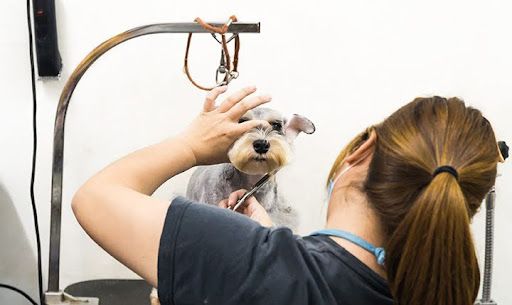
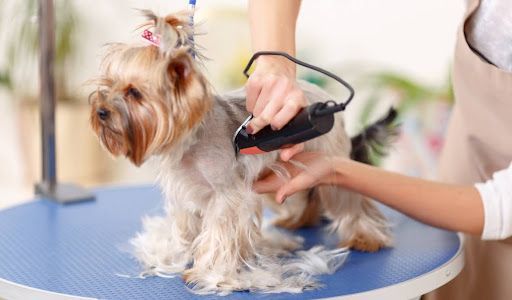
The groomer then uses pet-safe clippers and curved scissors to carefully trim the hair around the genitals, anus, and lower belly. These areas are delicate, so precise tools and a steady hand are key. Sanitary grooming for pets also includes using gentle, non-irritating wipes to clean the trimmed regions.
Throughout the process, your dog is handled with care and patience. If your pup is nervous or wiggly, our trained team takes their time to ensure the trim is done safely and calmly.
This focused hygiene service can be booked as part of a complete
haircut package, which includes a
bath with premium shampoos,
hand blow-dry and brush,
ear cleaning (plucking by request),
nail trim or file, and more.
Can You Do a Sanitary Trim at Home?
Yes, you can do a hygiene cut for dogs at home, but it’s not always easy. For confident pet parents with a calm dog and the right tools, a DIY dog hygiene grooming session can help in between professional visits. However, there are a few things to keep in mind.
Pros:
- Convenient if you notice a mess between appointments
- Saves time and money in the short term
Cons:
- Risk of cutting sensitive skin
- Hard to manage with wriggly or anxious dogs
- Lacks the finesse and safety of a trained groomer
If you choose to try at home, always use pet-safe clippers, not sharp scissors, and keep your dog still and relaxed. Never force the trim if your dog is too fidgety or nervous.
That said, most pet parents find it safer and easier to leave sanitary trims to trained groomers. Our mobile dog grooming makes it even more convenient, bringing expert care right to your doorstep.
How Boops N’ Bubbles Can Help
At Boops N’ Bubbles, our dedicated paw pad and sanitary trim service is all about keeping your dog clean, comfortable, and healthy. We specialize in gentle, mess-free sanitary grooming for pets, focusing on the most sensitive areas with professional care.
Our groomers are trained to work with all coat types and temperaments. Whether your pup is a long-haired breed prone to matting or just needs a quick tidy-up, we adjust our approach for safe, breed-appropriate results. Every dog sanitary trim is done with pet-safe tools and plenty of patience.
Best of all, we come to you. With our convenient mobile dog grooming services, your pup can get the hygiene care they need without leaving the comfort of home.
FAQs
What is a sanitary trim for dogs?
It’s a hygiene-focused trim around the belly and rear to keep your dog clean and prevent infections.
Is a hygiene cut necessary for all dogs?
It’s essential for long-haired, senior, or less mobile dogs.
How long does a sanitary trim take?
Usually 10–15 minutes when done by a professional.
Can I use human clippers for my dog?
No. Always use pet-safe clippers for any dog hygiene grooming.
Don’t Overlook the Basics
A dog sanitary trim may seem like a small detail, but it plays a significant role in your pet’s comfort and overall hygiene. Regular hygiene cuts for dogs help prevent irritation, reduce odor, and keep your home cleaner. It’s one of the simplest ways to support your dog’s health and well-being.
Contact Boops N’ Bubbles to book a trim or full grooming session. If your pup is due for a tidy-up, our mobile team brings expert care right to your doorstep.