Blog

Groom Your Dog in Danville
By Tammy Slettehaugh July 28, 2026
The answer depends entirely on your dog's coat. Short hair, long silk, double coat, curly coat, here's the real grooming schedule for each in Danville.
Double-Coated Dogs and Deshedding
By Tammy Slettehaugh July 23, 2026
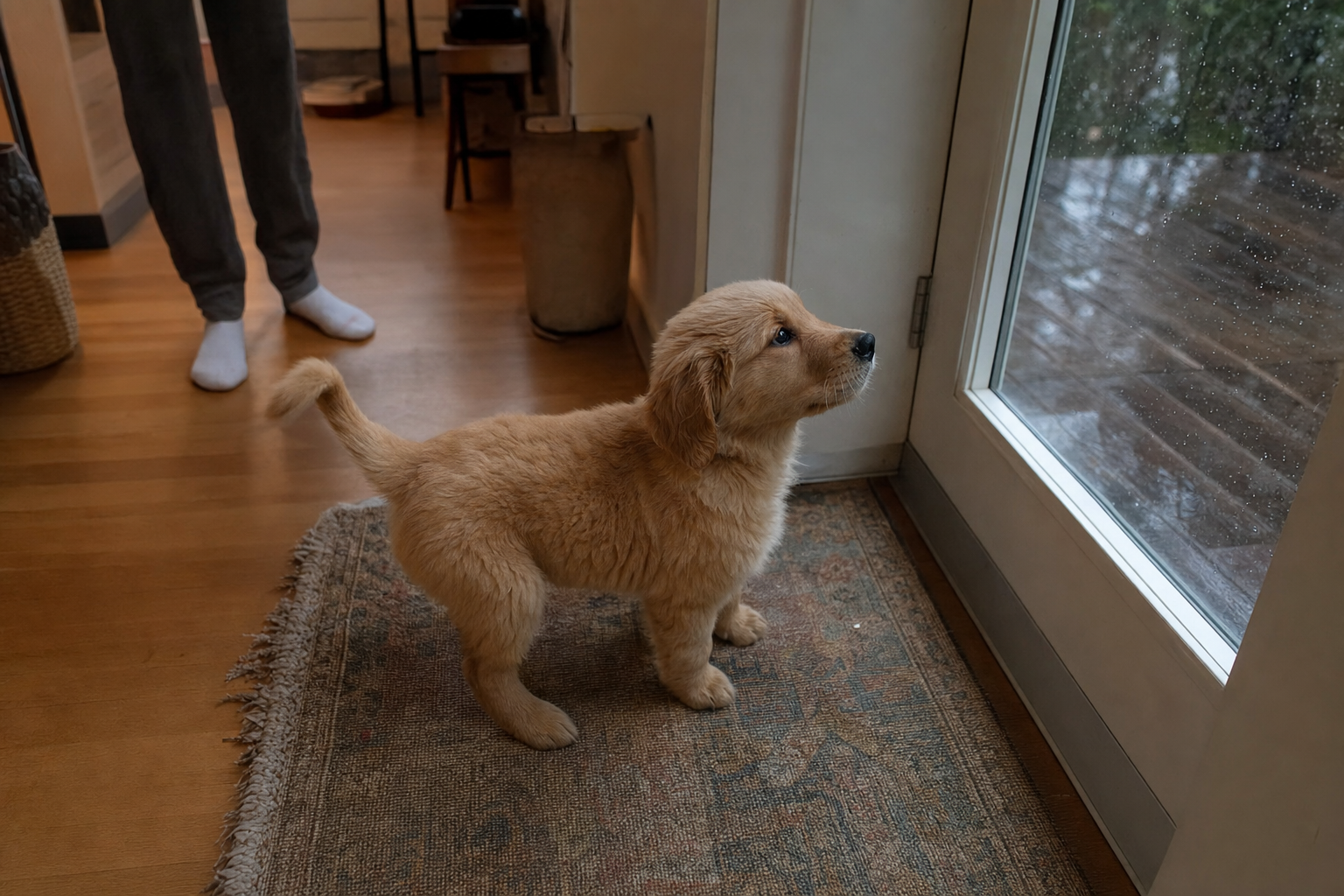
Golden retrievers, huskies, and Aussies need more than a regular bath. Here's how professional deshedding works and when to book in Pleasanton.
By Tammy Slettehaugh July 20, 2026
Talked to a Walnut Creek owner last year whose cockapoo hadn't been brushed in six weeks between appointments. Not because she was neglecting the dog. She just didn't know six weeks was the critical window for that coat type. When the dog came in, the mats had fused to the skin behind the ears and under the armpits. There's only one option at that point. And it's not what anyone wants. Quick answer: Mats form when loose dead hair tangles with the live coat and compresses. The fix is consistent brushing, the right tools, and knowing which spots on your dog mat fastest. Most mat problems are preventable with a 10-minute brush routine three to four times a week. What Actually Causes Mats to Form Here's the mechanism. Shedding hair doesn't always fall out on its own. It detaches from the follicle but stays tangled in the live coat. That dead hair catches on itself, picks up debris, and over time compresses into a mat. Movement speeds it up. The friction from walking, playing, or even lying down pushes loose hair into tighter knots. Moisture makes it worse. After a bath, swim, or rain, tangled hair tightens as it dries. If you're not brushing before and after water contact, you're setting up mats. Collar friction, harness straps, and areas where legs meet the body (the armpits) are the fastest-matting spots on any dog. Which Breeds Are Most at Risk Straight answer: any breed with a wavy, curly, or long coat. The texture catches shedding hair instead of letting it fall out. Double-coated breeds mat when the loose undercoat packs into the topcoat. Short single-coated dogs (Vizslas, Boxers, Dalmatians) almost never mat. High-risk breeds common in Walnut Creek: doodles of all kinds, cockapoos, Shih Tzus, cocker spaniels, Maltese, bichons, poodles, and any herding breed with a longer working coat. For these dogs, brushing isn't optional maintenance. It's the thing that keeps professional grooming appointments from becoming dematting emergencies. The At-Home Brush Routine That Actually Prevents Mats Most owners brush the dog's back and call it done. The back mats almost never. The problem spots are: behind the ears, under the collar, inside the elbows and armpits, behind the knees, the base of the tail, and around any harness contact points. Those six areas need to be checked every single brushing session. 
By Tammy Slettehaugh July 15, 2026
People ask me whether mobile grooming works for big dogs. I run seven grooming vans. My biggest regular client is a 110-pound Bernese mountain dog named Tank. Short answer: yes, it works. Longer answer: there are a few things that are different from what a small or medium dog owner would expect, and it's worth knowing them before you book. Q uick answer: Mobile grooming works well for large breeds. The van's tub accommodates dogs up to around 120 pounds in most cases. Sessions run longer (1.5 to 2.5 hours for large breeds), and some positions require the dog to step onto the floor temporarily during the dry. Everything else about the experience, one-on-one, cage-free, at your driveway, is the same. Why Large Dogs Sometimes Do Better with Mobile Grooming Salons are designed around medium-dog workflows. The tubs are standard size. The tables aren't always adjustable enough for a dog with a 30-inch back. Getting a 90-pound dog in and out of a raised salon table multiple times over a two-hour session is stressful for the dog and hard on the groomer. In a mobile van, the tub is ground-level. The dog can step in and out without being lifted. The session is one-on-one, so the groomer isn't rushing to move the dog between stations. For big dogs who are cooperative but slow or who don't do well being rushed, that pace makes a real difference. The Weight and Size Question Most mobile vans can handle dogs up to 100 to 120 pounds comfortably in the tub. Above 120 pounds, it depends on the van setup and the dog's build. A 130-pound Lab-mix might fit fine. A 130-pound Great Dane with a long body might not. If you have a giant breed, it's worth calling ahead to confirm before booking. Width matters too, not just weight. Broader-chested breeds like Rottweilers, Bullmastiffs, and Newfoundlands take up more floor space than their weight implies. The groomer needs room to work around all sides of the dog during the dry. How Long a Large Dog Session Actually Takes The honest number: a large double-coated dog (Golden, Bernese, Husky) takes 1.5 to 2.5 hours for a full groom with a bath. A large single-coated dog (Lab, Weimaraner, Boxer) takes 1 to 1.5 hours. Giant breeds add 30 minutes to either estimate. Water volume is the other factor. A large dog bath burns through 20 to 30 gallons of fresh water. The van's fresh water tank holds 50 to 60 gallons. On a day with back-to-back large dogs, tank management matters. That's one reason mobile groomers with large-dog clientele often space large appointments differently than small or medium dog slots. 
By Tammy Slettehaugh July 7, 2026
Finley came in shaking. Six-year-old Aussie mix, bounced from two shelters, and hadn't made it through a full groom at any shop in three years. His owner called me after the fourth walk-out. 'He doesn't do well with other dogs around,' she said. 'Or loud dryers. Or being left in a kennel.' That's most grooming salons, all at once. Q uick answer: Anxious dogs often do much better one-on-one in a mobile van than in a busy salon. No waiting cages, no strange dogs nearby, no being handed off between people. The session is just the dog and one groomer, start to finish, at your own driveway. What 'Anxious at the Groomer' Really Looks Like There's a real difference between a dog who's wiggly and a dog who's stressed. Wiggly dogs are normal. They settle in five minutes. Anxious dogs pant heavily, try to climb out of the tub, vocalize through the whole session, or go completely stiff and won't let you touch them. Some lunge. Some shut down entirely. If your dog has been labeled 'difficult' at a salon, or if appointments end early without finishing the groom, that's usually a stress response. Not a behavior problem. The environment is what's hard, not the dog. Why the Salon Environment Is Hard for Reactive Dogs Walk into a grooming salon and you'll notice it immediately. Dogs barking in the back. Metal crates stacked in rows. Two or three groomers running multiple dogs at once. Your dog waits in a holding kennel, then moves to a tub, then waits again in a dryer kennel, then gets moved to the table. That's four or five transitions in one appointment. For a confident dog, fine. For a reactive or anxious dog, each transition is another trigger. By the time scissors come out, the dog is already maxed out. Most groomers push through anyway because they have six more dogs behind yours. How a Mobile Van Changes the Setup A mobile van parks at your driveway. Your dog walks five steps from their front door to the van. No car ride to an unfamiliar building, no lobby smells, no other dogs in the building. The groomer brings everything to the dog instead of the other way around. Inside, it's one groomer and one dog. No rotation, no handoffs. The session runs start to finish with the same person. Dogs who've been written off at salons regularly complete full grooms in a mobile setup. Finley did, on his very first visit.
By Tammy Slettehaugh July 2, 2026
Quick answer: Most dogs are fine with a good-quality standard shampoo. But dogs with dry skin, allergies, oily coats, or sensitive skin genuinely benefit from a formula matched to their specific condition. A mobile groomer who picks the right shampoo for your dog is doing something a one-size-fits-all salon often doesn't. Cooper is a two-year-old goldendoodle from Dublin. His owner had been buying the same dog shampoo from the pet store for a year. Cooper's coat was clean after baths but he'd start scratching his sides within a week. When I checked his skin at his first appointment, it was dry. Not irritated, not infected — just stripped of natural oils. The shampoo was too harsh for his coat type. A hydrating formula, and the scratching stopped.
By Tammy Slettehaugh June 30, 2026
Simple steps Danville dog owners can take before the mobile groomer arrives — exercise, timing, coat checks, and what to tell the groomer. Quick answer: A short walk 30 minutes before the groomer arrives, a bathroom break, and skipping the meal right before the appointment are the three things that make the biggest difference. Everything else helps at the margins. Scheduling a mobile grooming appointment in Danville is the easy part. Getting your dog ready for it is where most people wing it. That usually means a stressed dog, a longer session, and a groomer who has to work around a pup that would have settled down fine with a little prep. Here's what actually helps. 
By Tammy Slettehaugh June 23, 2026
How fast dog nails grow, the simple click test, what long nails do to posture, and when to book a standalone nail trim in Walnut Creek. Quick answer: Dog nails need trimming roughly every 3 to 4 weeks. The simplest test: if you can hear clicking on hard floors, they're overdue. Long nails affect posture, not just appearance. Most dog owners know nail trimming matters. Fewer know how quickly things go sideways when it's skipped. Here are the actual numbers, the test you can run at home, and when it makes sense to add a standalone nail appointment between grooms in Walnut Creek. 
Show More