Why Professional Dog Ear Cleaning Is Essential for Your Pup's Health
Ear cleaning can be part of routine grooming when it is appropriate for the dog. It is not a substitute for veterinary assessment of painful, inflamed or persistently irritated ears.
Boops N’ Bubbles includes ear cleaning in its Bath Package and Haircut Package. Ear plucking is available on request.
This guide explains routine ear care and when an ear concern belongs with a veterinarian.
Considerable Factors in Professional Dog Ear Cleaning
An ear-care plan should suit your dog’s needs. Not every dog needs the same cleaning schedule.
1. Recognize When Veterinary Advice Is Needed
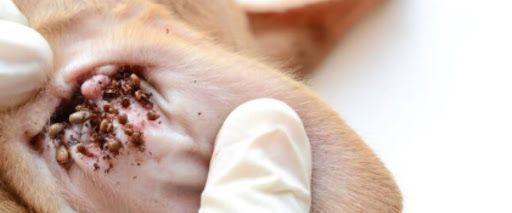
Ear infections are among the most common health problems in dogs, especially in breeds with floppy ears such as Cocker Spaniels or Basset Hounds. Without regular dog ear cleaning, bacteria and yeast can accumulate in your dog's ears, causing infections that are painful and difficult to treat.
- Bacteria & Yeast Overgrowth: Moisture and wax build-up create the ideal environment for bacteria and yeast to thrive, leading to infections.
- Chronic Issues: If infections aren’t addressed early, they can become chronic, leading to more frequent vet visits and costly treatments.
Cleaning does not guarantee infection-free ears. A veterinarian should assess suspected infection and recommend appropriate care.
2. Avoid Wax Build-Up
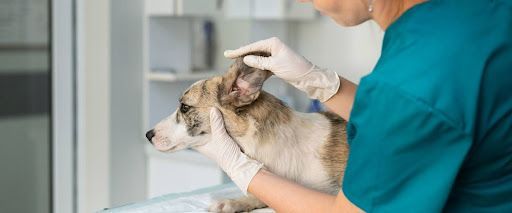
Wax or debris can accumulate in a dog’s ears. Ask your veterinarian which cleaning approach is appropriate, particularly if ear problems recur.
- Appropriate Care: Follow the ear-care plan recommended for your dog; stop if cleaning causes pain.
- Hearing Changes: A change in hearing needs veterinary assessment rather than a grooming promise.
3. Protect Against Foreign Objects
Dogs love to explore the outdoors, and while playing, they may pick up dirt, grass, or small particles that get lodged in their ears. Left untreated, these foreign objects can cause irritation or even infections.
4. Refer Suspected Ear Mites to a Veterinarian
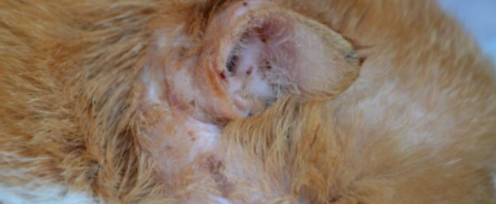
Ear mites are tiny parasites that can cause itching, inflammation, and infection in your dog’s ears. If left untreated, ear mites can lead to severe discomfort and more complicated health issues.
- Possible Ear Problems: Scratching, irritation or unusual debris should be assessed by a veterinarian.
- Veterinary Treatment: A veterinarian can identify the cause and select treatment. Routine grooming is not an ear-mite treatment.
Boops N' Bubbles: Expert Mobile Dog Ear Cleaning Services
Boops N’ Bubbles provides mobile dog grooming in a fully equipped van, with one-on-one care and no salon drop-off.
Choose the
Bath Package or Haircut Package for your dog’s grooming needs. Request an appointment to check availability for your address.
Tell the groomer about any existing ear condition and any instructions from your veterinarian before the appointment.
Ask the grooming team about the products used during your dog’s appointment. Follow your veterinarian’s advice if your dog needs a particular
ear-care product.
How Often Should Your Dog's Ears Be Professionally Cleaned?
The frequency of professional dog ear cleaning depends on several factors, including your dog’s breed, activity level, and ear condition. Here’s a general guide:
- Individual Needs: Ask your veterinarian how often your dog’s ears need cleaning rather than following a fixed schedule based only on ear shape.
- Healthy Ears: Some dogs with healthy, clean ears do not need routine cleaning.
- Active Dogs: Dogs that spend a lot of time outdoors, in water, or dusty environments may need ear cleaning more often.
Signs Your Dog Needs a Veterinary Ear Check
Contact your veterinarian if you notice these signs:
- Scratching or Pawing at the Ears: Persistent scratching may signal discomfort or an ear infection.
- Head Shaking: Shaking the head frequently can indicate irritation, wax build-up, or an infection.
- Foul Odor: A bad smell coming from your dog’s ears could be a sign of an infection or yeast build-up.
- Discharge: Ask a veterinarian about unusual discharge, especially if it is bloody or accompanied by pain.
Arrange a veterinary assessment before a routine grooming appointment. Do not clean a painful or inflamed ear unless your veterinarian advises you to.
Why Persistent Ear Problems Need Veterinary Care
Untreated ear disease can cause serious problems:
- Chronic Infections: Untreated infections can become long-term issues, requiring more invasive treatments.
- Hearing Loss: Prolonged neglect can result in permanent hearing damage.
- Balance Problems: Infections affecting the inner ear can cause balance issues, making your dog unsteady or dizzy.
- Surgery: In the worst cases, untreated ear problems may require surgery to remove blockages or repair damage.
Routine grooming does not diagnose or treat these conditions. Seek veterinary care for persistent symptoms or changes in hearing or balance.
Quick Tips for Maintaining Your Dog's Ear Health
- Individual Schedule: Follow your veterinarian’s recommended cleaning frequency.
- Check for Signs of Discomfort: Look out for scratching, head shaking, or foul odors, which could indicate ear issues.
- Keep Ears Dry: Avoid letting moisture build up in your dog’s ears, especially after baths or swims.
- Consult a Veterinarian: Seek veterinary advice for pain, redness, persistent scratching, unusual odor or discharge.
Conclusion: Mobile Dog Ear Cleaning
Routine ear grooming and veterinary care serve different purposes. Boops N’ Bubbles offers mobile grooming; ear symptoms and treatment decisions belong with your veterinarian.
For routine grooming, request a
Boops N’ Bubbles appointment and share any relevant care instructions.
FAQs About Professional Dog Ear Cleaning
How often should I schedule professional dog ear cleaning?
Ask your veterinarian how often your dog’s ears need cleaning. The appropriate schedule varies between dogs.
Can I clean my dog’s ears at home?
Ask your veterinarian whether home cleaning is appropriate and which product and method to use. Stop if it hurts.
What are the signs that my dog needs ear cleaning?
Scratching, head shaking, unusual odor or discharge can indicate an ear problem. Arrange a veterinary assessment rather than assuming that grooming is the solution.
Is professional ear cleaning safe for my dog?
Suitability depends on the ear’s condition. Pain, inflammation or suspected infection needs veterinary advice before routine cleaning.